
Ziziphus | Jajubi | Beri Honey
KPK's diverse climate and varied ecosystems make it an ideal environment for the growth of Ziziphus plants. The honey produced in these regions is often considered pure and high-quality due to the relatively untouched nature of these areas, where traditional beekeeping methods are still practiced. In Khyber Pakhtunkhwa (KPK), a province in the northwestern region of Pakistan, the Ziziphus tree thrives in the mountainous and semi-arid areas. The trees are found in areas with dry, rocky soil, and they flourish particularly in the foothills of the Himalayas and in the regions bordering Afghanistan.
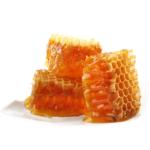
Characteristics of Ziziphus Honey
- Taste and Flavor:
Ziziphus honey has a unique flavor profile that is mildly sweet and slightly tangy. The flavor is more robust than many other types of honey, with subtle earthy undertones. It is often described as having a slightly herbal or woody taste, which reflects the type of flora that the bees pollinate. - Color:
The honey usually has a golden to amber color, though it can vary depending on the specific region and the time of harvest. It is often clearer and less opaque compared to some other darker varieties of honey. - Texture:
The texture of Ziziphus honey is thick and smooth, often crystallizing slowly over time. The crystallization process gives it a creamy consistency, making it easy to spread, though it may remain in a liquid state for longer periods compared to other types of honey. - Nutritional Value:
Ziziphus honey is rich in antioxidants, vitamins, and minerals. It is known for its potential health benefits, such as improving digestive health, boosting immunity, and providing natural energy. It is also often used in traditional medicine for its soothing and anti-inflammatory properties. - Medicinal Uses:
Ziziphus honey is prized in herbal medicine for its various therapeutic properties. It is believed to have sedative effects, making it useful for promoting restful sleep. It is also considered beneficial for managing respiratory issues, improving skin health, and supporting liver function. In KPK and other regions, it is commonly used as a natural remedy for coughs, sore throats, and digestive issues. - Harvesting and Production:
The honey is harvested by beekeepers who place their hives in proximity to Ziziphus trees during the flowering season, which typically occurs in late summer or early autumn. The bees collect nectar from the delicate white or yellow flowers of the Ziziphus tree, which bloom for a short period. The honey is then carefully extracted, typically through traditional methods, ensuring minimal processing to maintain its natural goodness.
Conclusion
Ziziphus honey from Khyber Pakhtunkhwa is a distinct and high-quality variety of honey with a unique flavor, color, and texture. Its health benefits and medicinal properties make it highly valued, not just in Pakistan, but in various parts of the world. The natural conditions and traditional beekeeping methods in KPK ensure that the honey remains pure and full of beneficial compounds, making it a prized product for both culinary and medicinal uses.
Mountain Honey
Mountain honey is a type of honey produced by bees that forage on nectar from flowers growing in high-altitude regions, typically above 1,000 meters (3,280 feet) above sea level. This honey is known for its purity, rich flavor, and unique properties, which are influenced by the flora and environmental conditions of mountainous areas. The flowers in these regions are often rare, diverse, and often untouched by industrial pollutants, which contribute to the distinctiveness of the honey.

Origin of Mountain Honey
Mountain honey is harvested in various parts of the world, including the Himalayas, Alps, Andes, Rockies, and the highlands of regions like Khyber Pakhtunkhwa (KPK) in Pakistan, as well as parts of Europe, Turkey, and Central Asia. The bees in these areas collect nectar from wildflowers, herbs, and alpine plants, giving the honey its unique character.
In Pakistan, for example, mountain honey is often sourced from the pristine regions of the northern areas such as Swat, Hunza, and Kaghan Valley. These regions are renowned for their clean air, unspoiled ecosystems, and diverse flora, all of which contribute to the production of high-quality honey.
Characteristics of Mountain Honey
- Flavor Profile:
Mountain honey is known for its rich, complex flavor. It tends to have a deep, earthy taste with floral notes that vary depending on the specific flowers and plants from which the bees collect nectar. Depending on the region, it can also carry hints of herbs, spices, or even citrus. - Color:
The color of mountain honey can range from light amber to dark brown, depending on the specific flowers and plants in the area. Honey produced from high-altitude wildflowers tends to be lighter in color, while honey from more diverse sources (such as herbs or trees) can be darker. - Texture:
Mountain honey generally has a smooth, thick consistency. Some varieties may crystallize more quickly than others, but many mountain honeys remain liquid for an extended period due to the high altitudes and cooler temperatures at which the nectar is collected. When crystallization does occur, it tends to be fine-grained and smooth. - Purity:
One of the most appealing features of mountain honey is its purity. Due to the remote locations where it is harvested, mountain honey is often free from pesticides and other contaminants, making it a more natural and organic product. This purity contributes to its health benefits. - Health Benefits:
Mountain honey is packed with beneficial compounds, including antioxidants, vitamins, and minerals. It is often praised for its ability to boost the immune system, promote digestive health, and soothe sore throats. The antioxidants in mountain honey can help fight inflammation and combat oxidative stress. The natural enzymes and nutrients in this honey may also assist in wound healing and support overall well-being. - Medicinal Properties:
Mountain honey is traditionally used for its healing properties. It has been known to have antimicrobial effects, helping to fight infections and promote skin health. Some cultures use it to treat colds, coughs, and digestive problems. Its antibacterial and antifungal properties are particularly prized in natural medicine. - Floral Sources:
The specific types of flowers and plants that contribute to mountain honey vary from region to region. Common sources include:- Wildflowers
- Alpine herbs
- Fruit blossoms (e.g., apple or cherry)
- Forest plants (e.g., oak, chestnut, or coniferous trees)
- Medicinal plants like thyme, lavender, and sage
Harvesting and Production
Mountain honey is typically harvested through traditional beekeeping practices. The hives are placed in remote, high-altitude locations near the wildflowers and plants that the bees are most likely to forage from. The harvest season varies but generally occurs during the warmer months when flowers are in bloom.
Beekeepers tend to use minimal intervention methods to extract the honey, ensuring that the natural properties and flavors are preserved. In some regions, honey is even harvested by hand, ensuring a more artisanal approach that enhances its quality.
Conclusion
Mountain honey is a highly prized, natural product known for its exceptional purity, complex flavor, and numerous health benefits. Its origin in remote, high-altitude regions, where the flora remains largely untouched by human activity, contributes to its unique characteristics. Whether used as a sweetener, in cooking, or for medicinal purposes, mountain honey remains one of nature's most beneficial and delicious products.
Thyme Honey
Thyme honey is a distinctive variety of honey made by bees that collect nectar from the flowers of the Thymus plant, a genus of aromatic herbs in the mint family. Thyme is widely used in cooking, particularly in Mediterranean cuisines, and the honey derived from its nectar carries a unique, robust flavor profile. Thyme honey is particularly prized for its rich, herbal taste and its potential health benefits.
Characteristics of Thyme Honey
- Flavor Profile:
Thyme honey has a complex, aromatic, and slightly herbal taste. The flavor is bold and savory, with hints of the earthy, slightly minty notes characteristic of the thyme plant. It is often described as being somewhat tangy, with a mildly spicy aftertaste. This distinctive flavor makes thyme honey stand out from more commonly known varieties like clover or acacia honey. - Color:
Thyme honey typically ranges in color from light amber to medium golden brown. The exact hue can vary depending on the specific variety of thyme from which the nectar was sourced, as well as the location and growing conditions of the thyme plants. - Texture:
Thyme honey has a smooth, thick consistency. It can crystallize over time, although it tends to remain in a semi-liquid form longer than some other types of honey due to the lower glucose content found in thyme nectar. When crystallization occurs, it tends to have fine, delicate crystals. - Aroma:
The aroma of thyme honey is strongly herbal and floral, with the characteristic scent of thyme being prominent. This makes it an excellent choice for those who enjoy herbal flavors and are looking for a honey that complements savory dishes. - Nutritional Content:
Like other types of honey, thyme honey contains a variety of natural sugars (mainly fructose and glucose), along with vitamins, minerals, and antioxidants. It is rich in small amounts of vitamin C, iron, calcium, potassium, and magnesium, which contribute to its overall nutritional value. - Antioxidant Properties:
One of the standout characteristics of thyme honey is its high antioxidant content.
It contains polyphenols, flavonoids, and other beneficial compounds that can help fight oxidative stress and protect the body from free radicals. These antioxidants are linked to reduced inflammation and a lower risk of chronic diseases.
Benefits of Thyme Honey
- Antibacterial and Antifungal Properties:
Thyme honey is known for its strong antibacterial and antifungal properties. It has been used in traditional medicine to help fight infections, heal wounds, and soothe sore throats. The natural compounds in thyme honey, such as thymol (derived from thyme oil), contribute to its antimicrobial effects. - Respiratory Health:
Thyme honey is commonly used as a natural remedy for coughs and other respiratory issues. Its soothing and antimicrobial properties help to relieve symptoms of colds, sore throats, and bronchitis. It is often consumed in warm tea to help reduce coughing and promote better sleep during illness. - Digestive Aid:
Thyme honey is also beneficial for the digestive system. It is known to promote healthy digestion by acting as a mild laxative and helping to soothe stomach discomfort. Some people use it to alleviate symptoms of indigestion or bloating. - Boosts Immune System:
The antioxidants and nutrients found in thyme honey help to strengthen the immune system. Regular consumption may help the body resist infections and recover more quickly from illnesses. - Skin Benefits:
Thyme honey is often used in skincare for its healing and moisturizing properties. It can help reduce acne and skin irritation due to its antibacterial properties. When applied topically, it is thought to promote healthy skin by fighting bacteria and soothing inflammation. - Anti-inflammatory Effects:
The anti-inflammatory compounds in thyme honey can help reduce inflammation in the body, making it useful for conditions like arthritis or general muscle soreness.
Uses of Thyme Honey
- Culinary Uses:
Thyme honey can be used in a variety of culinary applications, especially in Mediterranean and Middle Eastern dishes. It pairs wonderfully with cheese, nuts, and fruits. It can also be drizzled over roasted vegetables, used as a glaze for meats, or added to tea or hot beverages. Its distinctive flavor makes it a unique addition to both savory and sweet recipes. - Natural Remedy:
In addition to being used in cooking, thyme honey is commonly consumed on its own as a natural remedy. A spoonful of thyme honey is often taken to soothe a sore throat or ease digestive discomfort. It can also be mixed with lemon or ginger for added health benefits. - Beauty and Skin Care:
As mentioned, thyme honey is used in natural skincare products and homemade face masks. It can help cleanse and moisturize the skin while providing antibacterial protection.
Conclusion
Thyme honey is a flavorful and healthful variety of honey that stands out due to its herbal, slightly spicy taste and its wide range of potential health benefits. With its antibacterial, antifungal, and anti-inflammatory properties, thyme honey is not only a delicious addition to the kitchen but also a natural remedy for a variety of health concerns. Whether enjoyed as a sweetener, a healing agent, or as part of skincare routines, thyme honey offers both culinary and medicinal advantages.





Acacia Honey
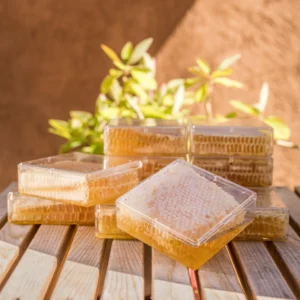
Acacia honey, one of the most prized varieties from Khyber Pakhtunkhwa (KPK), Pakistan, is known for its delicate flavor, smooth texture, and numerous health benefits. It is sourced primarily from the nectar of Black Locust (Robinia pseudoacacia) or Indian Acacia (Acacia nilotica) trees, which grow abundantly in the region’s forests and foothills.
Origin & Production in KPK
Primary Regions: Swat, Dir, Malakand, Mansehra, and Abbottabad.
Flowering Season: Late spring to early summer (April–June).
• Beekeeping Practices: Traditional log hives and modern apiaries are used, with beekeepers often moving hives to acacia-rich areas during bloom.
2. Texture & Physical Characteristics
• Color: Light golden to almost transparent (one of the clearest honey varieties).
• Texture:
- Liquid & Runny due to high fructose content, it remains liquid for a long time (slow crystallization).
- Smooth & Silky Unlike thicker honeys (e.g., Sidr), it flows easily and dissolves well in liquids.
• Crystallization: Takes 1–2 years to crystallize (if pure), forming fine, soft crystals.
3. Flavor & Aroma Profile
• Taste: Mild, floral, and subtly sweet (not overpowering).
• Aroma: Light, fragrant, with hints of vanilla and fresh blossoms.
• Aftertaste: Clean, without the strong medicinal bitterness found in darker honeys.
4. Health Benefits:
Acacia honey is highly valued in Unani medicine and modern nutrition for its therapeutic properties:
A. Digestive Health
• Prebiotic: Promotes gut-friendly bacteria, aiding digestion.
• Acidity & Ulcers: Soothes acid reflux and stomach inflammation.
B. Blood Sugar Regulation
• Low Glycemic Index (GI): Better for diabetics than sugar (consumed in moderation).
• Natural Sweetener: Does not cause rapid blood sugar spikes.
C. Respiratory Relief
• Cough & Sore Throat: Mixed with warm water or ginger to relieve irritation.
• Anti-inflammatory: Helps with bronchitis and seasonal allergies.
D. Skin & Wound Healing
• Antibacterial: Applied topically for minor cuts, acne, and burns.
• Hydrating Face Mask: Mixed with yogurt or aloe vera for glowing skin.
E. Liver & Detoxification
• Liver Cleansing: Helps flush toxins and supports liver function.
F. Energy & Immunity Booster
• Natural Electrolytes: Provides quick energy without caffeine crashes.
• Antioxidants: Fights free radicals and strengthens immunity.
5. Best Ways to Consume Acacia Honey
• Raw & Unheated: Preserves enzymes (add to warm, not boiling, beverages).
• With Herbal Teas: Enhances flavor in kahwa or green tea.
• In Desserts: Drizzled over fruits, yogurt, or pancakes.
• As a Face Mask: Mixed with turmeric or rosewater for skincare.
Acacia honey stands out for its light texture, slow crystallization, and mild sweetness, making it a favorite for culinary and medicinal use. Its digestive, diabetic-friendly, and skin-healing properties make it a superior choice among honey varieties. Always opt for raw, unfiltered Acacia honey to enjoy its full benefits.